In Mozambique, daily life continues to be shaped by overlapping challenges that affect transportation, food access, and ministry operations.
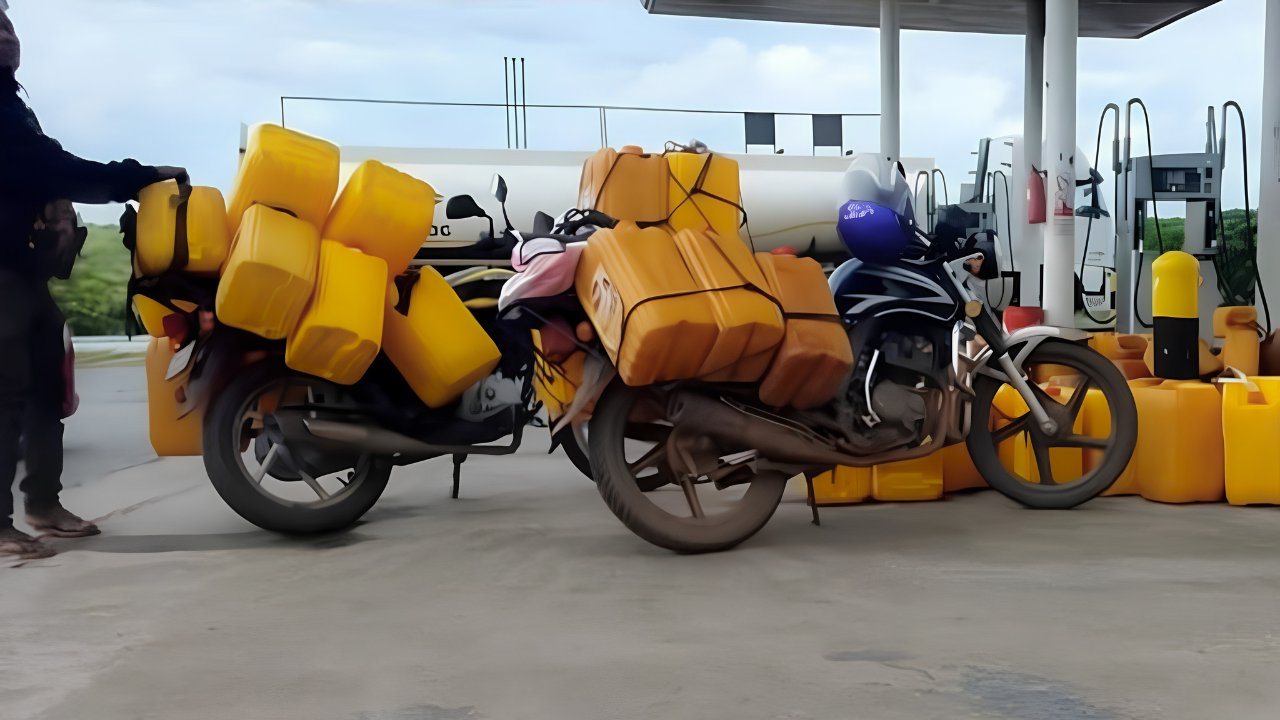
One of the most urgent challenges right now is a severe fuel shortage.
Across many regions, people are lining up for miles just to purchase small amounts of fuel. In some cases, individuals are spending the night in line in hopes of being served the following day. Transportation has slowed significantly, prices continue to rise, and the movement of goods between regions has become increasingly unpredictable.
These shortages impact far more than convenience. They affect how families function, how communities access basic necessities, and how ministries like ours are able to sustain ongoing work.
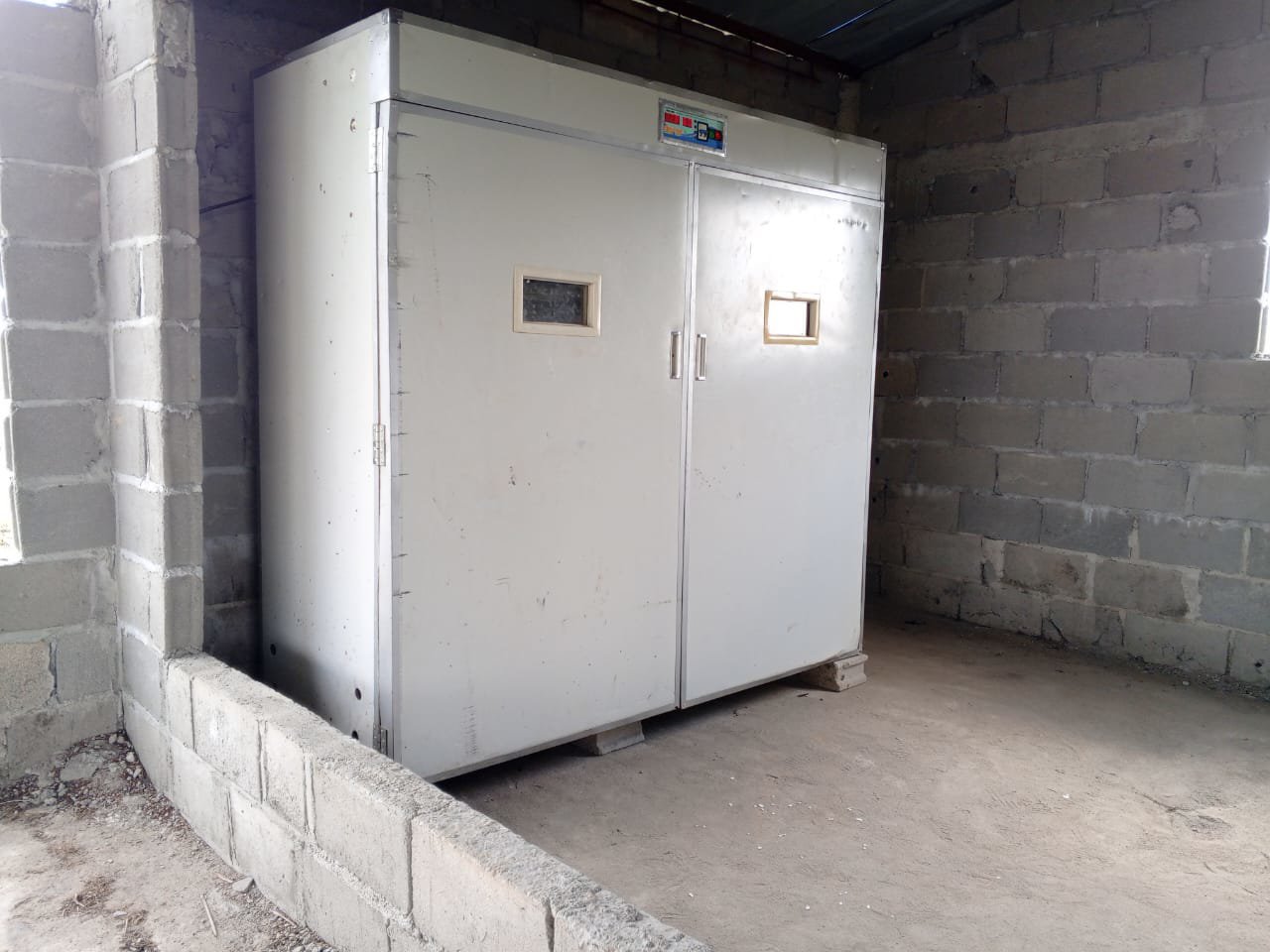
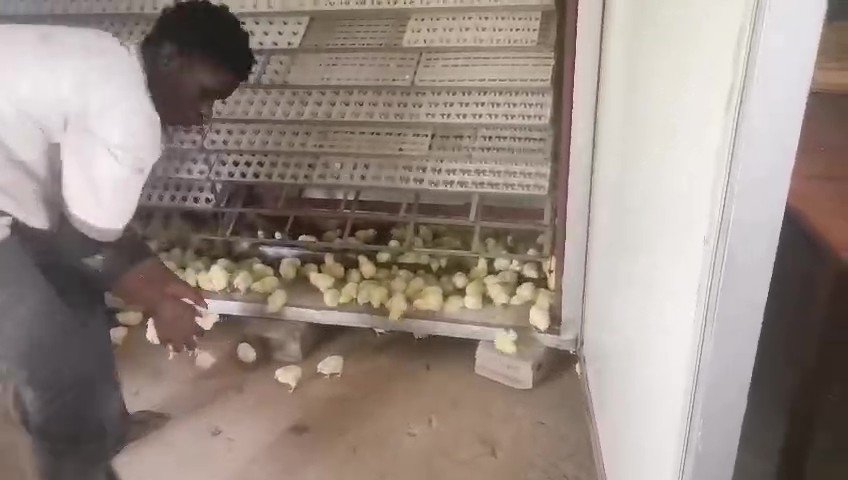
One immediate effect on our ministry has been the difficulty of transporting fertilized chicken eggs from other regions of Mozambique. Supply chains have become increasingly unstable due to fuel limitations and transportation disruptions.
This challenge underscores something we have been working toward for several years: building long-term sustainability through the farm project in Mozambique.
The farm began with a clear vision—to reduce dependence on fragile external supply chains while strengthening the ministry’s ability to serve consistently over time. Rather than relying entirely on outside systems, our goal has been to develop a working, integrated farm that supports both practical needs and ministry outreach.
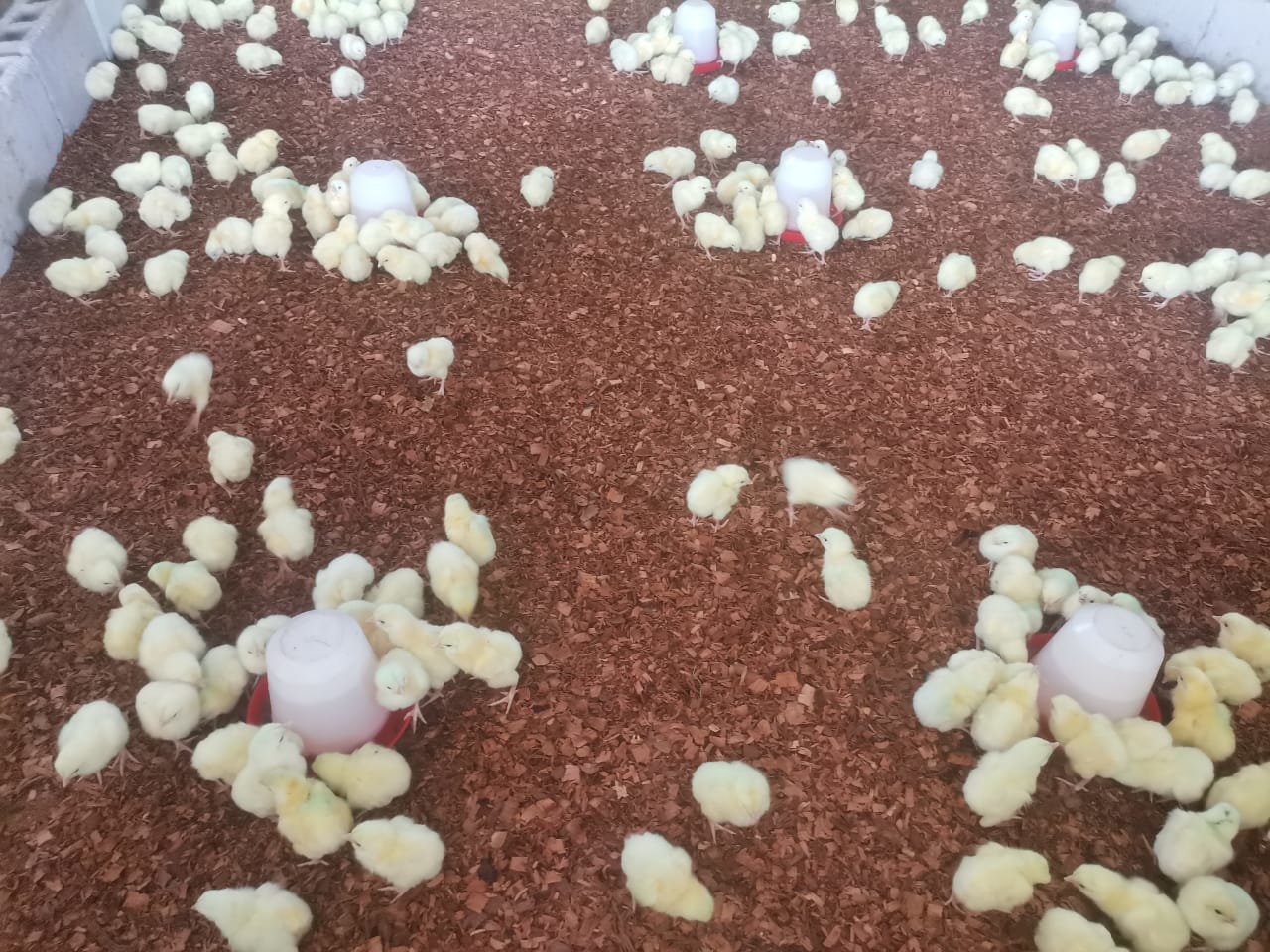
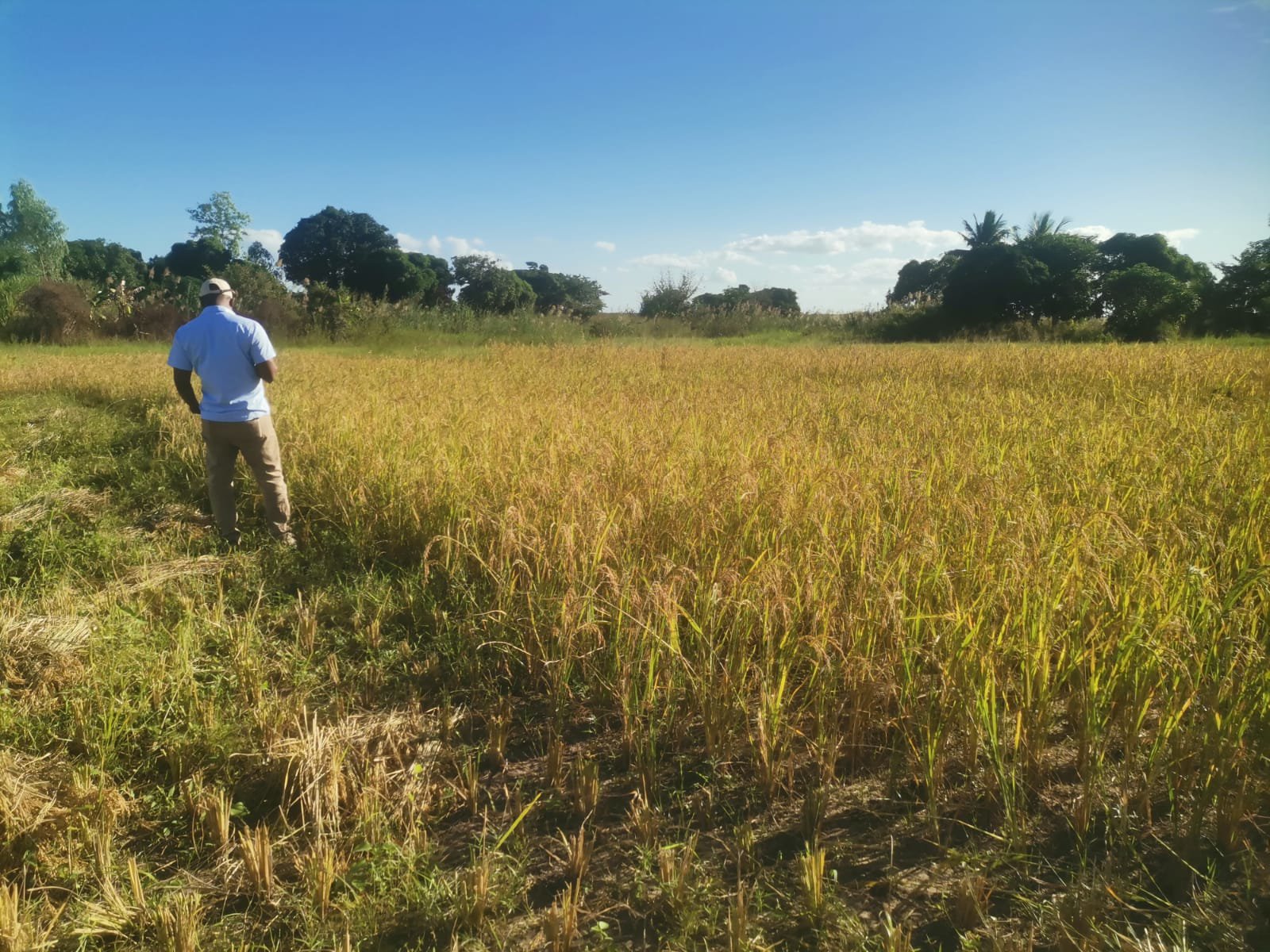
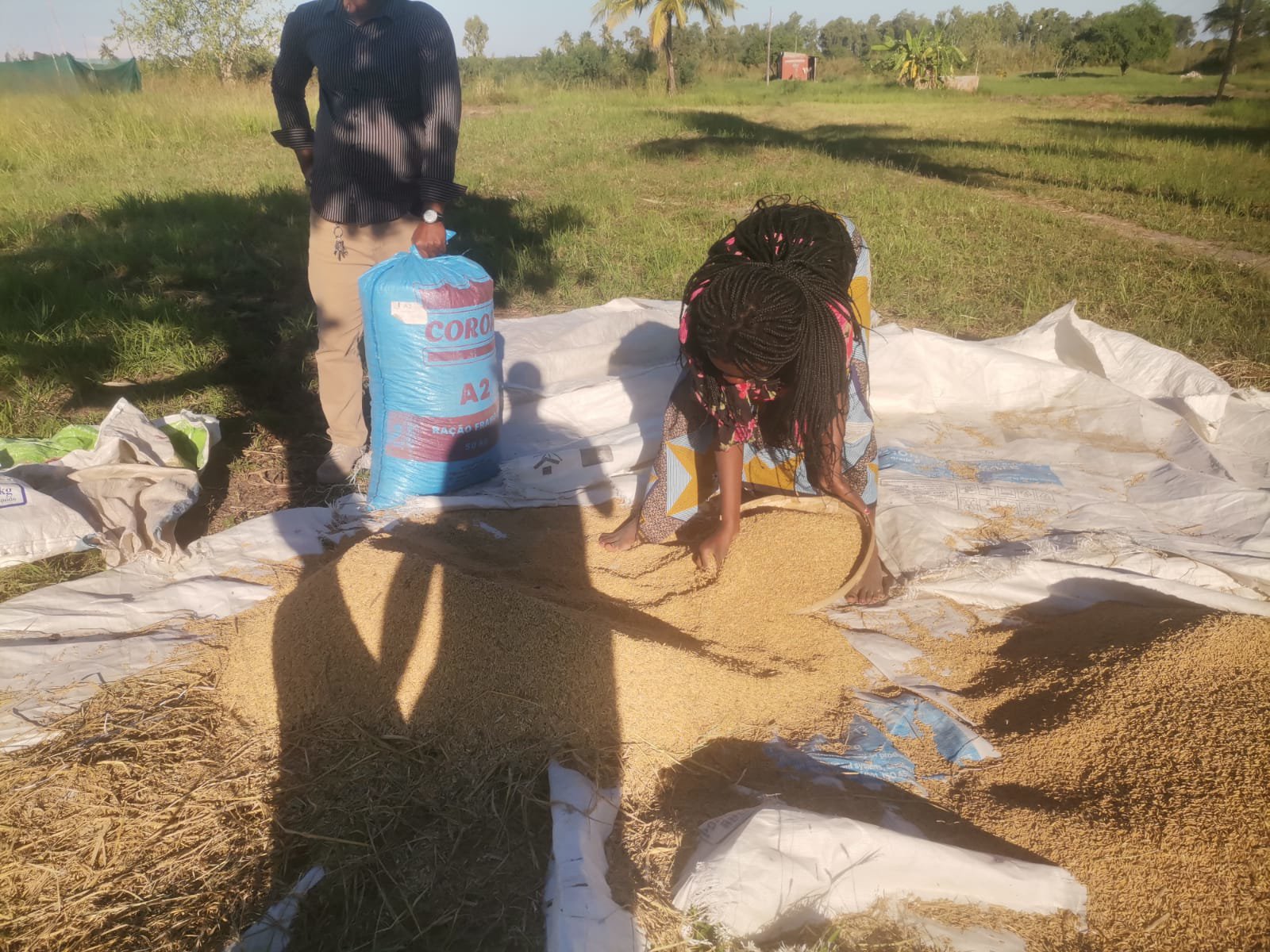
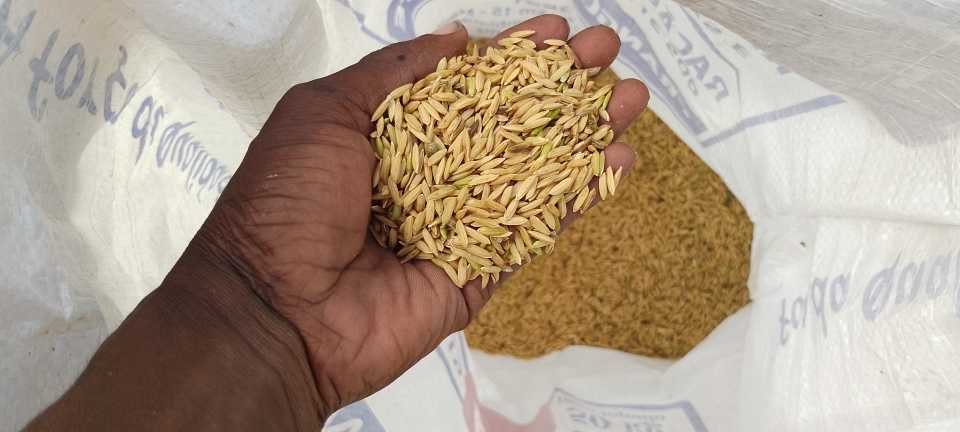
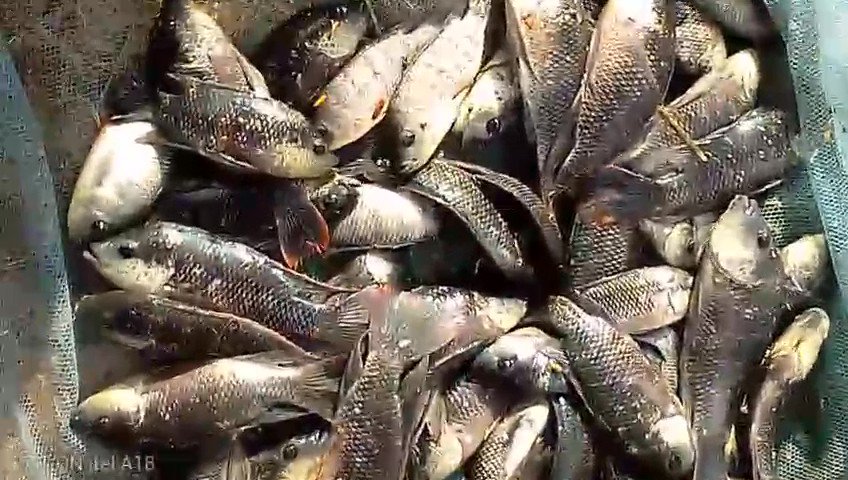
Over time, that vision has grown into a multi-faceted agricultural project. The farm now includes a variety of crops and fresh tilapia, both of which contribute to food security and create ongoing opportunities for ministry engagement. We also operate an active broiler chicken program as part of a growing poultry system designed to meet nutritional needs, provide an important service to the community, and strengthen the ministry’s long-term sustainability.
Looking ahead, we are planning to introduce goats as the next phase of livestock development, further diversifying the farm’s capacity for self-sufficiency.
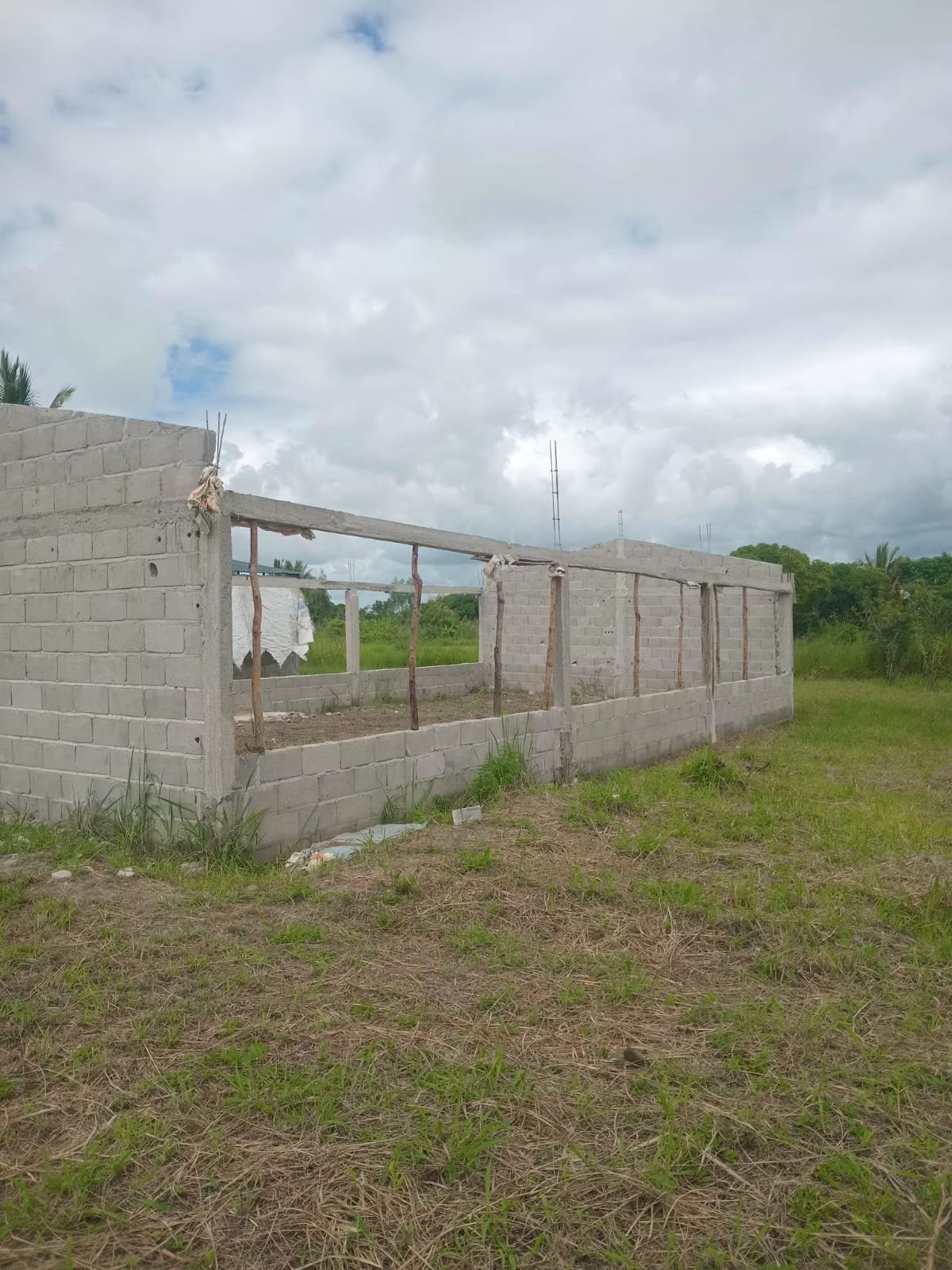
At the center of this work is the poultry system—and specifically, the need to complete the layers’ house.
This structure is the final piece needed to fully close the loop on our chicken production cycle. Once completed, we will be able to raise and manage egg-laying chickens locally, eliminating dependence on external supply chains increasingly affected by economic instability, fuel shortages, and global disruptions.
In many ways, this step represents far more than agricultural progress. It represents stability in an environment where stability is often uncertain.
Yet the farm is about more than production.
It is also becoming a place of ministry and transformation.
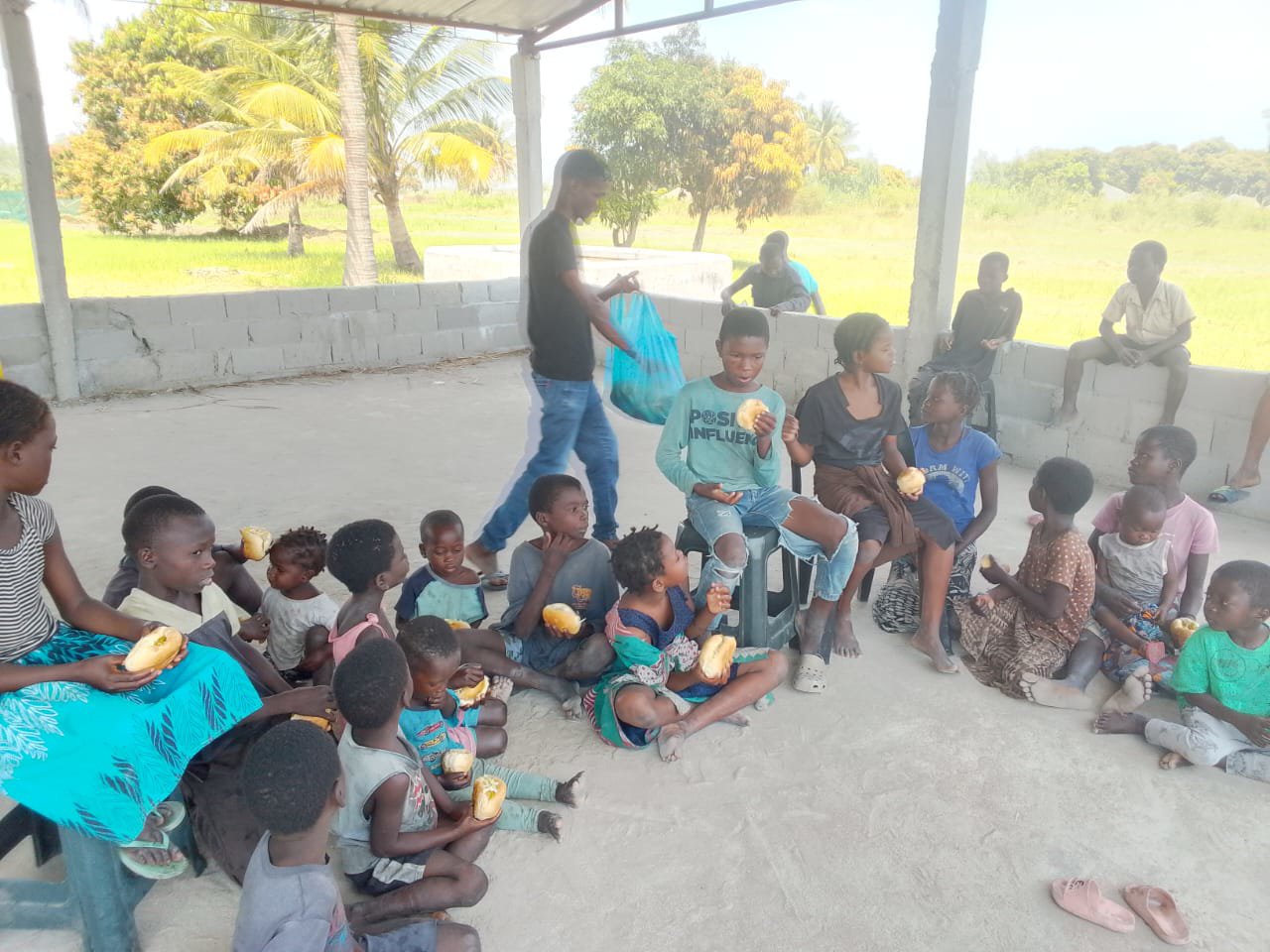
Local pastors regularly visit the farm to pray over the work being done there. Our farm team continues building relationships within the surrounding community, using the farm as a place of encouragement, connection, and gospel witness.
This year, we are also preparing to expand the farm’s ministry role by hosting youth discipleship camps on the property. Area pastors already have young men ready to participate. To host these camps, however, we first need to construct basic support facilities, including camp showers, pit latrines, and a covered outdoor cooking area to provide shelter during the rainy season.
These additions will allow the farm to serve not only as a place of food production, but also as a center for discipleship, leadership development, and spiritual formation for the next generation.
Taken together, the farm is becoming something much greater than an agricultural project. It is a foundation for sustainability, a hub for ministry, and a gathering place for community transformation.
At this stage, one critical step remains.
We still need $3,500 to complete the layers’ house. Finishing this structure will allow us to fully close the loop on our poultry system and move significantly closer to long-term self-sufficiency.
In a season when fuel shortages and supply chain disruptions are making daily operations increasingly difficult, completing this project is not only practical—it is essential to the future stability of the ministry in Mozambique.
Thank you for standing with us as we continue building something we believe will serve generations to come.